
Insulin Resistance Symptom Guide

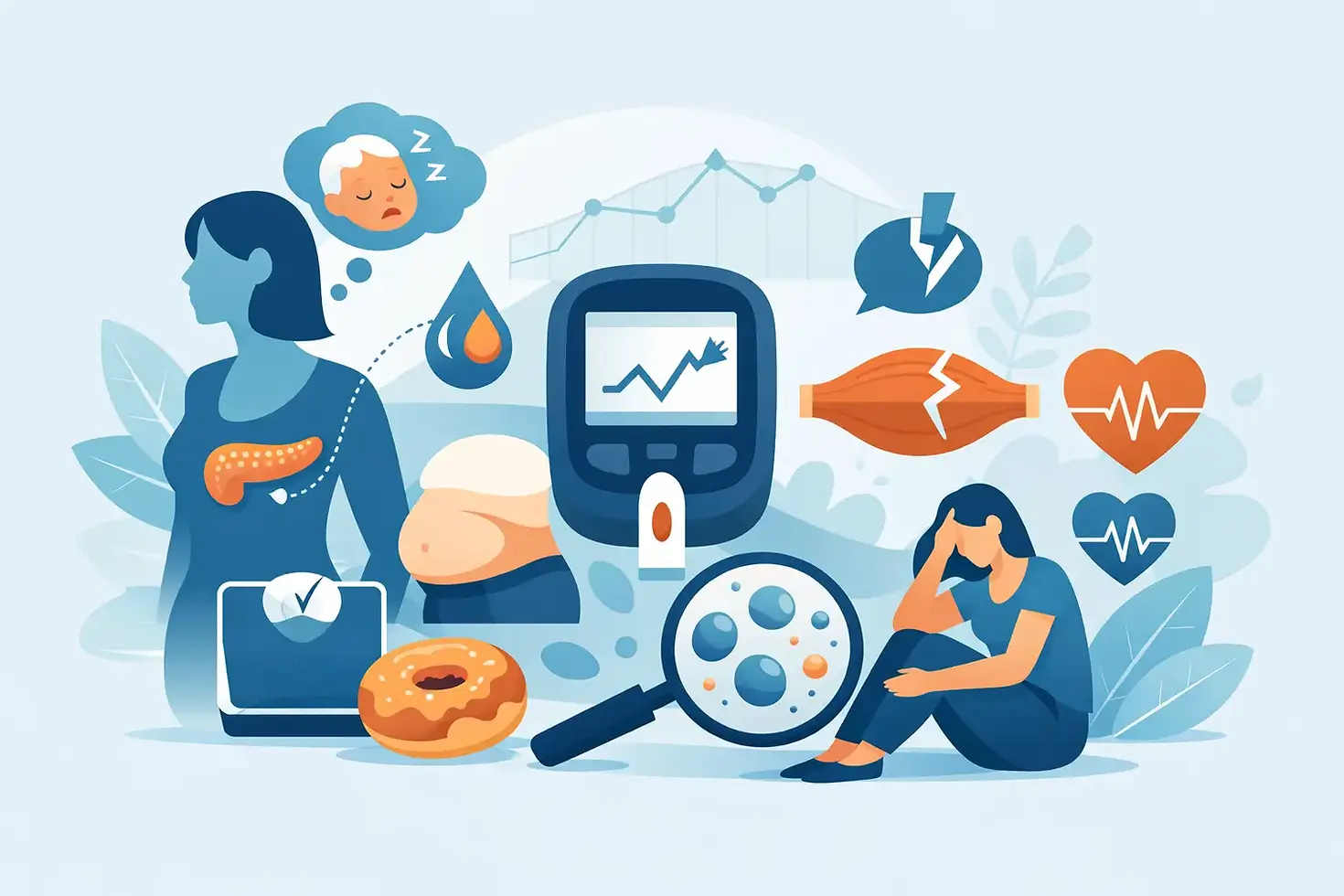
You can be eating better than you used to, trying to lose weight, cutting back on sugar, and still feel like your body is working against you. That is exactly why an insulin resistance symptom guide matters. Insulin resistance rarely shows up as one dramatic problem. More often, it looks like stubborn weight gain, constant cravings, brain fog, fatigue after meals, and the kind of frustration that starts when you are told your labs are “fine” while your symptoms keep getting louder.
This is one of the most missed patterns in modern healthcare. People are often screened only after blood sugar has already started climbing into prediabetes or diabetes territory. But insulin can be elevated for years before that happens. During that time, the body is compensating hard, and you feel it.
What insulin resistance actually means
Insulin is the hormone that helps move glucose out of the bloodstream and into the cells. When the cells stop responding efficiently, the body has to produce more insulin to get the same job done. That state is insulin resistance.
At first, blood sugar may still look normal because your pancreas is pushing out more insulin to keep up. That is one reason so many people get dismissed. They are told there is no issue because glucose is in range, while the underlying dysfunction is already affecting metabolism, inflammation, hormones, and energy.
This is not just about diabetes risk. Insulin resistance can influence weight loss resistance, fatty liver, hormonal imbalances, PCOS, chronic fatigue, triglycerides, inflammation, and even how sharp or sluggish your brain feels during the day.
Insulin resistance symptom guide: the signs people miss
Some symptoms are obvious. Others are easy to blame on stress, aging, poor sleep, or being busy. The problem is that when these signs cluster together, they often point to a deeper metabolic issue.
One of the most common signs is stubborn weight gain around the midsection, or an inability to lose weight despite doing what should be working. High insulin is a storage signal. It tells the body to hold on to energy, not release it. If you feel like your body is fighting every calorie change, insulin resistance needs to be on the table.
Another classic pattern is crashing after meals. You eat, especially a meal heavy in refined carbs, and instead of feeling fueled, you feel sleepy, foggy, or irritable. Some people notice shaky feelings, urgent hunger a few hours later, or the need for caffeine and snacks just to function. That roller coaster can reflect poor blood sugar regulation driven by high insulin.
Cravings matter too. If you are constantly thinking about carbs or sugar, it is not always about willpower. Blood sugar swings and insulin dysfunction can create a cycle of quick energy, fast drops, and more cravings. Many patients blame themselves when the real issue is biochemical.
Skin can offer clues. Dark velvety patches around the neck, underarms, or groin, often called acanthosis nigricans, are strongly associated with insulin resistance. Skin tags can also be part of the picture. These changes are not cosmetic trivia. They can be visible markers that the body has been dealing with high insulin for a while.
For women, irregular periods, difficulty ovulating, acne, and unwanted facial hair can overlap with insulin resistance, especially in PCOS. For men and women, fatigue, brain fog, increased belly fat, and inflammatory symptoms can all show up together. Some people also notice higher blood pressure or worsening cholesterol patterns long before anyone mentions insulin.
Why symptoms do not look the same for everyone
This is where one-size-fits-all advice falls apart. Two people can both have insulin resistance and look very different on paper. One may be visibly overweight. Another may be lean but exhausted, inflamed, and unable to build stable energy. One person may have obvious cravings and blood sugar swings. Another may mainly struggle with infertility, migraines, poor focus, or waking up tired every morning.
That is why symptom checklists are useful, but they are not enough on their own. The real question is not just whether you have symptoms. It is why your body developed this pattern in the first place.
For some, the biggest driver is chronic intake of ultra-processed foods and frequent snacking. For others, it is poor sleep, high cortisol, thyroid dysfunction, sedentary habits, or hidden inflammation. Gut dysfunction can contribute. So can nutrient deficiencies, toxic exposures, hormone imbalances, and a history of repeated crash dieting. If you only treat the symptom layer, you miss what is actually keeping the problem alive.
When normal labs are not reassuring
This is where many patients get stuck. A standard fasting glucose can be normal while insulin is elevated. Hemoglobin A1c can also appear fine in the earlier stages. If testing stops there, insulin resistance can be missed.
A more meaningful evaluation often includes fasting insulin, fasting glucose interpreted together, hemoglobin A1c, triglycerides, HDL, liver markers, waist circumference, inflammatory markers, and in some cases a deeper metabolic review. The pattern matters more than any single number. Functional medicine looks at trends, not just whether you barely fit inside a broad reference range.
That approach matters because symptoms usually begin before disease labels do. Waiting until blood sugar becomes overtly abnormal is not prevention. It is delay.
Insulin resistance symptom guide and root-cause clues
If your symptoms suggest insulin resistance, the next step is not guessing your way through another trendy plan. It is finding the drivers.
Sleep is one of the fastest overlooked areas. Even a few nights of poor sleep can worsen insulin sensitivity. If you wake unrefreshed, snore, rely on caffeine all day, or feel wired at night and drained in the morning, your metabolic symptoms may be tied to stress physiology and sleep disruption.
Stress itself is not just emotional. Chronic cortisol signaling can push the body toward blood sugar instability and abdominal fat gain. The same is true of inflammation. If you also deal with bloating, reflux, constipation, migraines, joint pain, or autoimmune concerns, insulin resistance may be part of a larger inflammatory picture rather than a stand-alone issue.
Hormones matter too. Thyroid dysfunction can slow metabolism and intensify weight loss resistance. In women, estrogen and progesterone imbalances can complicate blood sugar regulation. In men, low testosterone can overlap with poor insulin sensitivity and rising abdominal fat. This is why generic meal plans often fail. If the physiology underneath is ignored, compliance becomes a blame game instead of a solution.
What helps - and what depends
Yes, food matters. Reducing processed carbohydrates, increasing protein, choosing fiber-rich whole foods, and building balanced meals can improve blood sugar regulation. Strength training and walking after meals can also make a real difference. These are foundational, not optional.
But this is also where nuance matters. Not everyone responds well to the same carb level. Not everyone should fast aggressively. Not every person with insulin resistance needs the same supplement strategy. If you have adrenal stress, thyroid issues, gut dysfunction, a history of disordered eating, or are barely eating already, the wrong plan can backfire.
That is the problem with generalized wellness advice. It sounds simple, but it treats metabolism like a math equation instead of a dynamic system. Real recovery usually requires more than cutting calories and hoping discipline fixes everything.
A functional approach looks at the whole picture: blood sugar patterns, hormones, inflammation, gut health, nutrient status, toxic burden, sleep quality, and the daily habits that either support or sabotage insulin signaling. At Your Functional Health Doctor, that principle is simple: we do not guess, we test.
When to take symptoms seriously
If you have persistent fatigue, weight loss resistance, intense cravings, post-meal crashes, rising belly fat, irregular cycles, brain fog, skin tags, or a strong family history of metabolic disease, do not wait for a diabetes diagnosis to start paying attention. That waiting game is exactly how early dysfunction turns into bigger disease.
The goal is not fear. The goal is clarity. Insulin resistance is common, but it is also modifiable, especially when you catch it before years of compensation turn into deeper damage.
You are not lazy, broken, or failing because your body is not responding to generic advice. Symptoms are information. If the pattern fits, listen to it, test intelligently, and build a plan around your biology instead of somebody else’s template.


Comments