
A Functional Approach to Gut Health: Functional Medicine Solutions for Gut Health

Gut health is more than just a buzzword. It’s the foundation of your overall well-being. When your gut is out of balance, it can affect everything from your digestion to your mood, energy, and immune system. But how do you truly heal your gut? How do you get to the root of the problem instead of just masking symptoms? That’s where a functional approach to gut health comes in.
I’ve seen firsthand how addressing gut issues with a functional medicine mindset can transform lives. It’s about digging deeper, understanding your unique body, and using natural, evidence-based strategies to restore balance. Let’s explore how this approach works and what practical steps you can take to support your gut health.
Understanding the Functional Approach to Gut Health
Functional medicine looks at the body as a whole system. It doesn’t just treat symptoms; it seeks to find the root causes of health problems. When it comes to gut health, this means looking beyond occasional bloating or discomfort. It means investigating factors like:
Diet and nutrition
Stress levels
Gut microbiome balance
Inflammation
Food sensitivities or allergies
Digestive enzyme function
Toxin exposure
This approach is personalized. No two guts are the same, and what works for one person might not work for another. Functional medicine practitioners use detailed history, lab tests, and sometimes advanced diagnostics to uncover hidden imbalances.
For example, if you’re struggling with chronic bloating, fatigue, or irregular bowel movements, a functional medicine doctor might test for small intestinal bacterial overgrowth (SIBO), leaky gut syndrome, or nutrient deficiencies. Then, they’ll create a tailored plan to address these issues.
This is why I always recommend a functional approach to gut health. It’s not a one-size-fits-all fix. It’s a journey to understanding your body and healing it from the inside out.
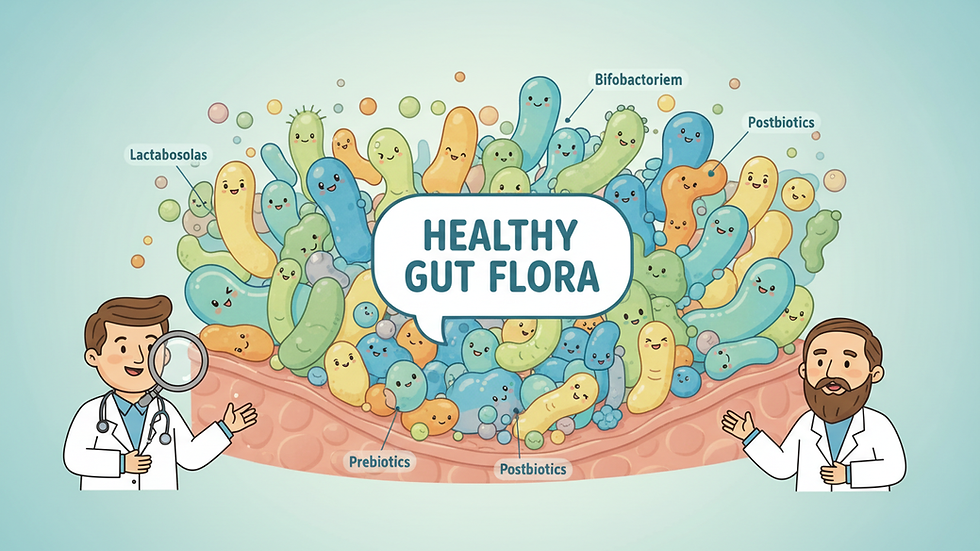
Key Functional Medicine Solutions for Gut Health
So, what does a functional medicine plan for gut health look like? Here are some core strategies that can make a big difference:
1. Personalized Nutrition
Food is medicine. But the right foods for your gut depend on your unique needs. A functional approach often starts with an elimination diet to identify foods that trigger inflammation or digestive upset. Common culprits include gluten, dairy, soy, and processed sugars.
Once triggers are identified, the focus shifts to nourishing your gut with:
Fiber-rich vegetables and fruits
Fermented foods like sauerkraut, kimchi, and kefir
Healthy fats such as avocado and olive oil
High-quality proteins
This personalized nutrition plan supports the growth of beneficial gut bacteria and reduces inflammation.
2. Supporting the Microbiome
Your gut is home to trillions of bacteria that play a crucial role in digestion, immunity, and even mood regulation. Functional medicine emphasizes restoring a healthy balance of these microbes.
Probiotics and prebiotics are often recommended. Probiotics introduce beneficial bacteria, while prebiotics feed the good bacteria already in your gut. But it’s important to choose the right strains and doses based on your individual needs.
3. Healing the Gut Lining
A damaged gut lining can lead to “leaky gut,” where toxins and undigested food particles escape into the bloodstream, triggering inflammation. Functional medicine uses natural supplements like L-glutamine, zinc, and omega-3 fatty acids to support gut lining repair.
4. Managing Stress and Lifestyle Factors
Stress has a direct impact on gut health. Chronic stress can alter gut motility, increase inflammation, and disrupt the microbiome. Functional medicine encourages stress management techniques such as:
Mindfulness meditation
Gentle exercise like yoga or walking
Adequate sleep
Deep breathing exercises
5. Addressing Underlying Infections or Imbalances
Sometimes, gut issues stem from infections like parasites, yeast overgrowth, or bacterial imbalances. Functional medicine testing can identify these problems, and targeted treatments can restore balance without harsh antibiotics.
By combining these strategies, you create a comprehensive plan that supports lasting gut health.

What is the 7 Day Gut Reset?
You might be wondering, “Is there a simple way to kickstart my gut healing journey?” The 7 Day Gut Reset is a popular functional medicine-inspired protocol designed to reduce inflammation, support digestion, and rebalance the microbiome in just one week.
Here’s how it works:
Day 1-3: Eliminate common gut irritants like gluten, dairy, sugar, caffeine, and alcohol. Focus on whole, nutrient-dense foods.
Day 4-5: Add in gut-healing foods and supplements such as bone broth, fermented vegetables, and L-glutamine.
Day 6-7: Introduce probiotics and prebiotics to encourage beneficial bacteria growth.
This reset is not a long-term diet but a short, focused intervention to calm the gut and identify food sensitivities. Many people report reduced bloating, improved energy, and better digestion after completing the reset.
Remember, the 7 Day Gut Reset is a starting point. For chronic or complex gut issues, a personalized functional medicine plan is essential.
Practical Tips to Support Your Gut Every Day
Healing your gut is a journey, not a quick fix. Here are some simple, actionable tips you can start using today:
Eat mindfully: Chew your food slowly and avoid distractions during meals.
Stay hydrated: Water helps digestion and supports the gut lining.
Include fermented foods: Add a small serving daily to boost probiotics.
Limit processed foods: These often contain additives that irritate the gut.
Manage stress: Find daily moments to relax and breathe deeply.
Get moving: Regular physical activity supports healthy digestion.
Sleep well: Aim for 7-9 hours of quality sleep each night.
These habits create a strong foundation for gut health and overall wellness.
Why Choose a Functional Medicine Doctor for Gut Health?
If you’ve been struggling with gut issues for a long time, you might feel frustrated by quick fixes that don’t last. That’s why working with a functional medicine doctor can be a game-changer.
They take the time to listen, investigate, and tailor a plan just for you. Using advanced testing and natural therapies, they help you uncover hidden causes and support your body’s healing process.
If you want to explore functional medicine for gut health, you’re taking a powerful step toward lasting wellness. It’s about reclaiming your health and feeling your best every day.
Your gut is the gateway to your health. By embracing a functional approach, you’re not just treating symptoms—you’re healing your body from the inside out. Start small, stay consistent, and watch your health transform. You deserve it.


Comments